Cottage style decorating is a relaxed, lived-in look built on soft colors, florals, natural wood, vintage pieces and plenty of comfort. Think of an English country cottage or a farmhouse kitchen where nothing matches perfectly, yet everything feels like it belongs. The good news is that you do not need a thatched roof to get the look. These 10 cottage style decorating ideas work in a new-build house, a city apartment or a rental.
What is cottage style?
Cottage style grew out of the small, practical homes of the English countryside, where furniture was handed down, gardens spilled up to the door and rooms had to be both useful and welcoming. The garden side of that tradition is still celebrated today; you can see a classic example in the Cottage Garden at RHS Garden Wisley. Indoors, the same spirit shows up as a mix of old and new, flowers everywhere and an easy, unfussy comfort.
Cottage style and farmhouse style overlap a lot. Farmhouse leans a little more rustic, with black metal and weathered wood. Cottage leans softer and more romantic, with florals, pastels and a little lace. Most homes land happily in between.
1. Start with a soft, warm palette
Creamy whites, butter yellows, sage greens, dusty pinks and soft blues are the backbone of cottage style. Pick a warm white for walls and trim, then bring in color through textiles and accessories. Avoid stark, cool whites, which can make a cottage room feel clinical.
2. Mix vintage with new
The single most important cottage rule: nothing should look like it came from one store on one day. Combine a thrifted dresser with a new lamp, a grandmother's quilt with modern bedding, an antique mirror with fresh paint. That mix is what makes the room feel collected over time.
3. Bring the garden indoors
Flowers are the soul of cottage decor. Keep a small vase on the kitchen table, another on the nightstand and a bigger arrangement in the entry. A set of bubble glass bud vases or a simple ceramic vase makes even a single stem from the yard look intentional. Dried flowers and herbs hung to dry count too.
4. Layer florals and gentle patterns
Florals, ticking stripes, gingham and small checks all live comfortably together in a cottage room if you keep the colors related. Start with one patterned piece you love, such as a French vintage-style pillow cover, and repeat one of its colors elsewhere in the room.
5. Hang botanical art
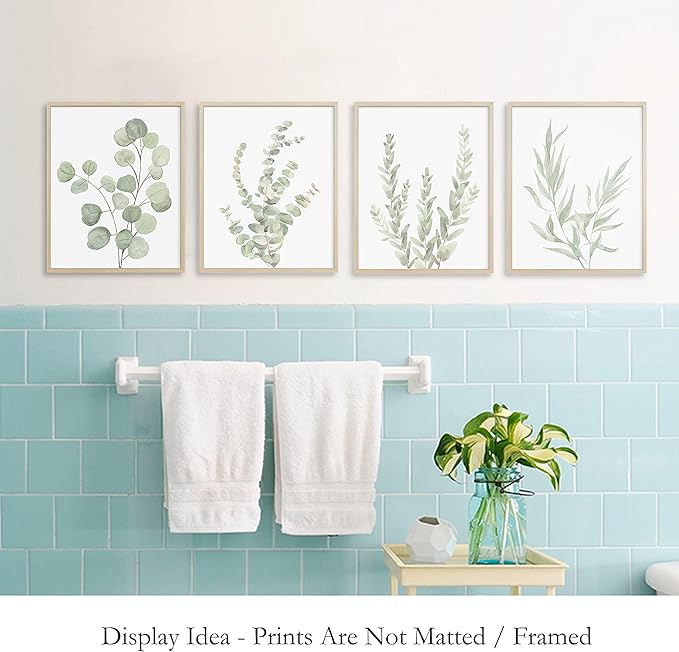
Pressed-flower prints, garden illustrations and simple botanical studies are classic cottage wall art. A matched set of framed botanical prints works well above a bed, a sofa or in a hallway, and the grid of four gives a small wall real presence.
6. Make the bed the coziest place in the house
A cottage bedroom is all about layers: crisp sheets, a soft duvet, a quilt or throw at the foot and more pillows than strictly necessary. A white or embroidered set like our embroidered bedding set gives you a calm base, and a down duvet adds that sink-in softness for winter. Finish with a pair of farmhouse bedside lamps for warm reading light.
7. Choose natural, imperfect materials
Wood with visible grain, linen that wrinkles, woven baskets, stoneware and wrought iron all suit cottage style because they look better with age. In the kitchen, wooden bowls and cutting boards on display add instant warmth; our farmhouse kitchen decor ideas are full of easy examples.
8. Dress the windows simply
Cottage windows are usually framed with simple curtains or café curtains rather than heavy drapery. In bedrooms, lined or blackout curtains help with sleep while still looking soft and relaxed. Hang them high and wide to make the window look bigger.
9. Give the bathroom a little charm
Small rooms are where cottage style shines. A vintage-looking wrought iron mirror, a matching ceramic bathroom set, a stack of white towels and a little vase on the counter turn a plain bathroom into a sweet one.
10. Leave room for the personal
Family photos in mismatched picture frames, a stack of well-loved books, a child's drawing pinned to the fridge: the things that tell your story are what turn a decorated room into a home. Cottage style welcomes them all.
Cottage style vs. farmhouse style
| Cottage style | Farmhouse style | |
|---|---|---|
| Mood | Soft, romantic, collected | Rustic, practical, relaxed |
| Colors | Cream, sage, blush, butter yellow | White, black, wood tones, red accents |
| Patterns | Florals, gingham, ticking stripe | Buffalo check, plaid, simple stripes |
| Materials | Painted wood, linen, lace, ceramics | Reclaimed wood, galvanized metal, wrought iron |
| Signature piece | A jug of garden flowers | A big wooden harvest table |
Cottage style through the seasons
One of the joys of cottage style is how easily it shifts with the calendar. In autumn, bring in pumpkins, chunky knits and warm light (our fall front porch ideas start at the door). In winter, layer in greenery and handmade-looking ornaments, as in our farmhouse Christmas decor ideas. And all year round, the goal is the same: a home that feels warm the moment you walk in. If that is what you are after, start with how to make your home feel cozy.
Shop the cottage look: our cottage accents collection has the vases, pillows, prints and bedding from this guide, and our farmhouse kitchen pieces finish the story. US orders over $45 ship free.
Cottage style FAQ
What is the difference between cottage and cottagecore?
Cottage style is a long-standing approach to decorating a home. Cottagecore is a newer online aesthetic that celebrates the same countryside ideals, often with more emphasis on baking, gardening and vintage fashion. A cottage-style home suits both.
Can you do cottage style in a modern house?
Yes. Focus on the things you can move: textiles, lighting, flowers, art and a few vintage pieces. Warm white paint and natural materials soften modern architecture quickly.
What furniture is used in cottage style?
Painted dressers, slipcovered sofas, wooden farmhouse tables, wicker or rattan chairs and iron or wooden beds. Mixing finishes is encouraged.
How do I make cottage style look clean, not cluttered?
Keep a calm base of light walls and simple floors, group small items in threes, and leave some empty space on every surface. Edit seasonally and rotate pieces rather than displaying everything at once.